By mid-2026, we’ve finally admitted it: the eight-hour workday is a marathon that nobody actually wins. Between the relentless pings of work messages and the mental load of managing a household, our brains are often running on empty by noon. We used to think the answer was a two-week holiday once a year, but we’ve learned that the real secret to staying sane is the 15-Minute Escape. It’s about taking those tiny “pockets” of time—between meetings, while the kids are napping, or waiting for the train—and filling them with something that actually recharges your batteries instead of just draining them further.
The Art of the Quick Reset: Finding Your Digital Sanctuary
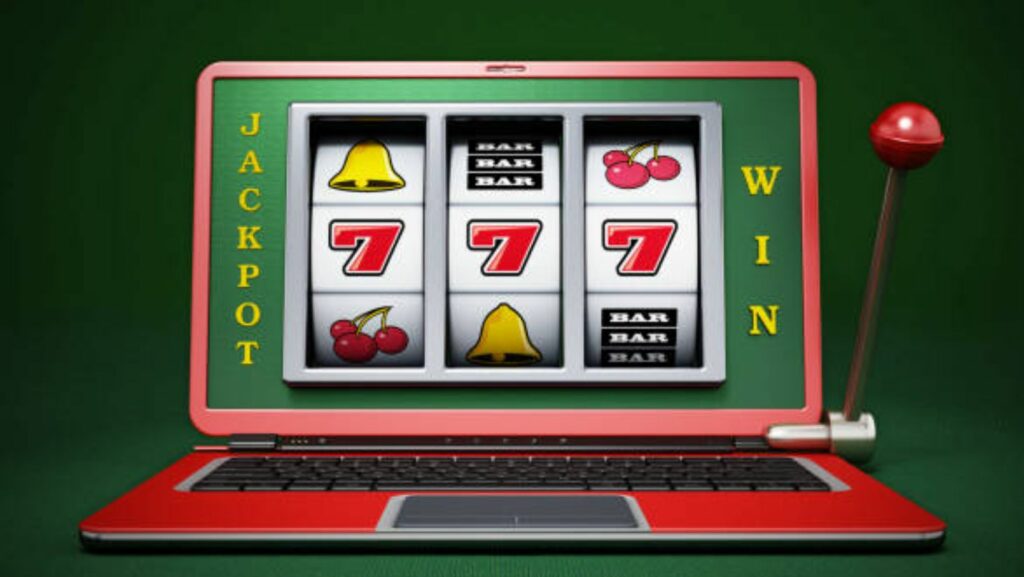
The key to a successful micro-break is intensity over duration. You want an experience that is immersive enough to pull you out of your “to-do list” brain and into a state of flow. Many people are turning to premium, high-vibe environments like Queen Win to bridge that gap. In 2026, you don’t need to sit at a desk to feel like a VIP; you can step into a 4K-rendered world of strategy and fun right from your phone. Whether it’s a quick round of a cinematic slot or a high-energy live game, it’s about the “royal treatment”—a space that is clean, fast, and visually stunning. It’s the digital equivalent of stepping into a luxury lounge for ten minutes before heading back into the real-world hustle.
3 Ways to Master the “Micro-Break” This Week
To make a 15-minute escape actually work, you have to be intentional. Here is how to do it right:
- Change Your Environment: If you’ve been at your desk, move to the balcony or a comfortable chair. A change in scenery tells your brain the “work” part of the day is on pause.
- Focus on Sensory Quality: Don’t settle for low-quality content. Listen to a high-fidelity soundtrack or engage with a platform that uses haptic feedback to make the experience feel “real.”
- Set a Hard Stop: The secret to a guilt-free break is knowing exactly when it ends. Use a timer so you can fully lose yourself in the fun without worrying about the clock.
Doom-Scrolling vs. The Intentional Escape
|
Feature |
The “Zombie” Scroll (Social Media) |
The Intentional Reset (Play) |
|
Mental Energy |
Passive and draining |
Active and engaging |
|
Outcome |
More stress (comparison/noise) |
Lower stress (Flow state) |
|
Duration |
Accidental (losing an hour) |
Timed (10–15 purposeful minutes) |
|
Visual Style |
Messy and unpredictable |
Polished and “Queen Win” elegant |
|
Brain Effect |
Information overload |
Dopamine hit / Focus reset |
Why “Active Play” Beats “Passive Watching”
In 2026, we’ve realized that watching a video often leaves us feeling more tired. Our brains are still processing information, but we aren’t “doing” anything. Active play, on the other hand, requires a bit of strategy and reaction. This engagement actually clears the “mental fog” by forcing your brain to focus on a single, fun task. It’s like a palate cleanser for your mind. When you return to your emails or chores after a quick, high-energy session, you’ll find that you’re sharper, faster, and—most importantly—a lot less grumpy.
Reclaim Your Day, One Pocket at a Time
The message for 2026 is that your time is yours to defend. You don’t have to wait for the weekend to feel like yourself again. By leaning into high-quality, “bite-sized” escapes, you’re training your brain to find joy in the small gaps of a busy life. Whether it’s a quick strategic challenge or a moment of digital luxury, make sure your breaks are as high-quality as your goals. You’ve earned the right to step away, even if it’s just for 15 minutes.