
Dubai is one of the most multicultural cities in the world. People from different countries, languages, and traditions live side by side, creating a unique rhythm of everyday life. For many visitors and residents from South Asia and beyond, the city feels both familiar and new at the same time—offering comfort through community while constantly presenting opportunities to explore something different.
Understanding Dubai goes far beyond visiting famous landmarks. It is found in daily routines, neighborhood streets, shared meals, cultural spaces, and the small moments that connect people to the city. How easily one moves through these spaces plays a major role in shaping that understanding.
A City Built on Movement
Dubai is a city in motion. Workdays begin early, social life often starts late, and distances between neighborhoods are significant. Movement is not occasional—it is a daily necessity.
For people who enjoy exploring local life, movement enables:
- Visiting cultural areas and community hubs
- Meeting friends across different districts
- Accessing food, entertainment, and social spaces
Without flexibility, many of these experiences remain out of reach.
Everyday Life Beyond Tourist Areas
Tourist attractions offer only one version of Dubai. Another version exists in residential neighborhoods, local cafés, markets, and gathering spots where communities connect.
This everyday Dubai includes:
- Regional grocery stores and restaurants
- Cultural events and informal meetups
- Quiet streets that reflect daily routines
To experience this side of the city, freedom of movement is essential. That’s why many people prefer to rent a car dubai without deposit—it allows exploration without financial pressure or long-term commitment.
Community, Connection, and Accessibility
For communities living far from their home countries, accessibility matters. Being able to reach familiar places—whether for food, cultural events, or social gatherings—creates a sense of belonging.
Mobility supports this by:
- Making regular visits easier
- Reducing dependence on limited routes
- Encouraging participation in community life
When movement is simple, connection becomes natural.
Entertainment as a Social Experience
Entertainment in Dubai often revolves around shared experiences—movies, food outings, celebrations, or casual gatherings. These activities rarely happen in one central location.
Personal mobility allows people to:
- Attend events across the city
- Stay out late without worrying about transport
- Combine multiple plans in one evening
This flexibility supports a more active and social lifestyle.
Food, Familiarity, and Comfort
Food plays a major role in cultural identity. For many residents, finding familiar flavors is essential to feeling at home.
Dubai’s diversity makes this possible, but restaurants and stores are often spread across different areas. Easy movement allows people to:
- Seek out favorite cuisines
- Shop at specialty stores
- Maintain cultural food traditions
These routines add comfort and stability to daily life.
Balancing Work, Family, and Leisure
Many residents in Dubai balance demanding work schedules with family responsibilities and social life. Efficient movement helps maintain this balance.
With reliable mobility, it becomes easier to:
- Manage family commitments
- Avoid unnecessary stress
- Protect time for rest and enjoyment
This balance is key to long-term satisfaction in a busy city.
Independence and Confidence in a Big City
Large cities can feel intimidating without autonomy. Waiting, negotiating, or depending on others can limit confidence and spontaneity.
Personal transportation builds confidence by offering:
- Control over time and direction
- A sense of independence
- Comfort in unfamiliar environments
This confidence encourages exploration and participation rather than hesitation.
Discovering the City Gradually
Dubai is best understood gradually. Each neighborhood reveals something different—language, food, rhythm, or atmosphere.
Gradual discovery allows:
- Deeper cultural understanding
- Personal connection to places
- A sense of ownership over experiences
Mobility makes this slow exploration possible without pressure.
Late Evenings and Cultural Rhythm
Many cultural and social activities in Dubai happen late in the evening. After work hours, communities gather to eat, talk, and relax.
Late-night movement requires flexibility. Knowing you can return home comfortably at any time allows people to fully enjoy these moments without rushing.
Short Stays and Long-Term Living
Whether someone stays for a few weeks or several years, mobility shapes their relationship with the city.
For short stays, it enables exploration.
For long-term living, it supports routine and stability.
In both cases, reducing barriers makes life feel lighter and more manageable.
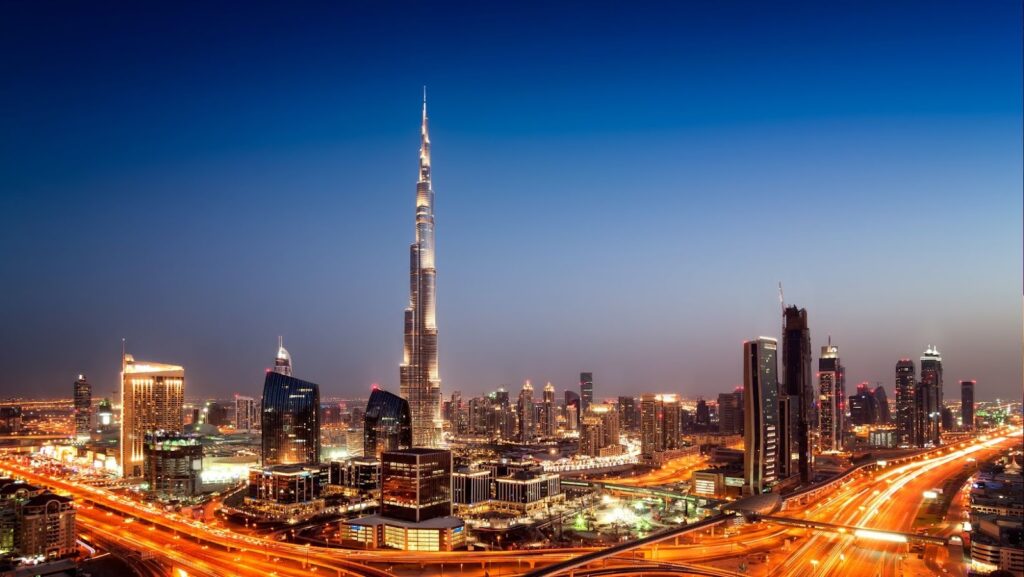
A City That Feels Personal
When people move freely, cities stop feeling overwhelming. Streets become familiar, routes become routines, and neighborhoods begin to feel personal.
Dubai transforms from a massive metropolis into a collection of meaningful places connected by everyday movement.
Cultural Identity in Motion
Living in a multicultural city often means holding multiple identities at once. Movement between different spaces—work, home, community, leisure—reflects this reality.
Mobility supports this fluid identity by allowing people to move comfortably between worlds without friction.
Final Thoughts
Dubai is not just a city of skyscrapers and ambition. It is a city of people, routines, cultures, and everyday stories. Experiencing it fully requires more than visiting attractions—it requires access, flexibility, and confidence.
When movement is simple and pressure-free, people engage more deeply with the city around them. They explore, connect, and build routines that reflect who they are.
In the end, freedom of movement allows Dubai to be experienced not as a destination, but as a living, evolving place—one where every journey adds another layer to the story.