
Options trading has become an increasingly relevant topic for investors seeking flexibility in how they participate in financial markets. In Norway, where market movements are shaped by a mix of global forces and strong domestic industries such as energy, shipping, and technology, understanding options can add an important layer of strategic depth. Options are not just speculative instruments. When used thoughtfully, they can help manage uncertainty, protect portfolios, and respond more precisely to changing market conditions.
Yet options are often misunderstood. Their pricing mechanisms can seem abstract, and the risks are sometimes underestimated or overstated depending on experience level. This article explores how option pricing works, the types of risk involved, and why these concepts matter specifically for Norwegian markets. The goal is not to promote trading activity, but to provide a clear and practical foundation for informed decision-making.
The Role of Options in Modern Investing
An option is a contract that gives its holder the right, but not the obligation, to buy or sell an underlying asset at a specific price within a defined period. Call options grant the right to buy, while put options grant the right to sell. The underlying asset is often a stock, index, or exchange-traded product, and in the Norwegian context, this may include companies listed on the Oslo stock exchange.
Options matter because they introduce choice and structure. Investors can design strategies that reflect their expectations about price direction, timing, and volatility. For example, an investor who already owns shares may use options to reduce downside risk without selling the position. Another investor may use options to gain exposure to potential price movements while committing less capital upfront.
How Option Pricing Works in Practice
One key factor is the price of the underlying asset relative to the option’s strike price. If a call option allows the purchase of a stock below its current market price, it has intrinsic value. If not, its value is entirely based on future potential. Time also plays a crucial role. The longer an option has until expiration, the more opportunity there is for the underlying price to move in a favourable direction, which generally increases the option’s price.
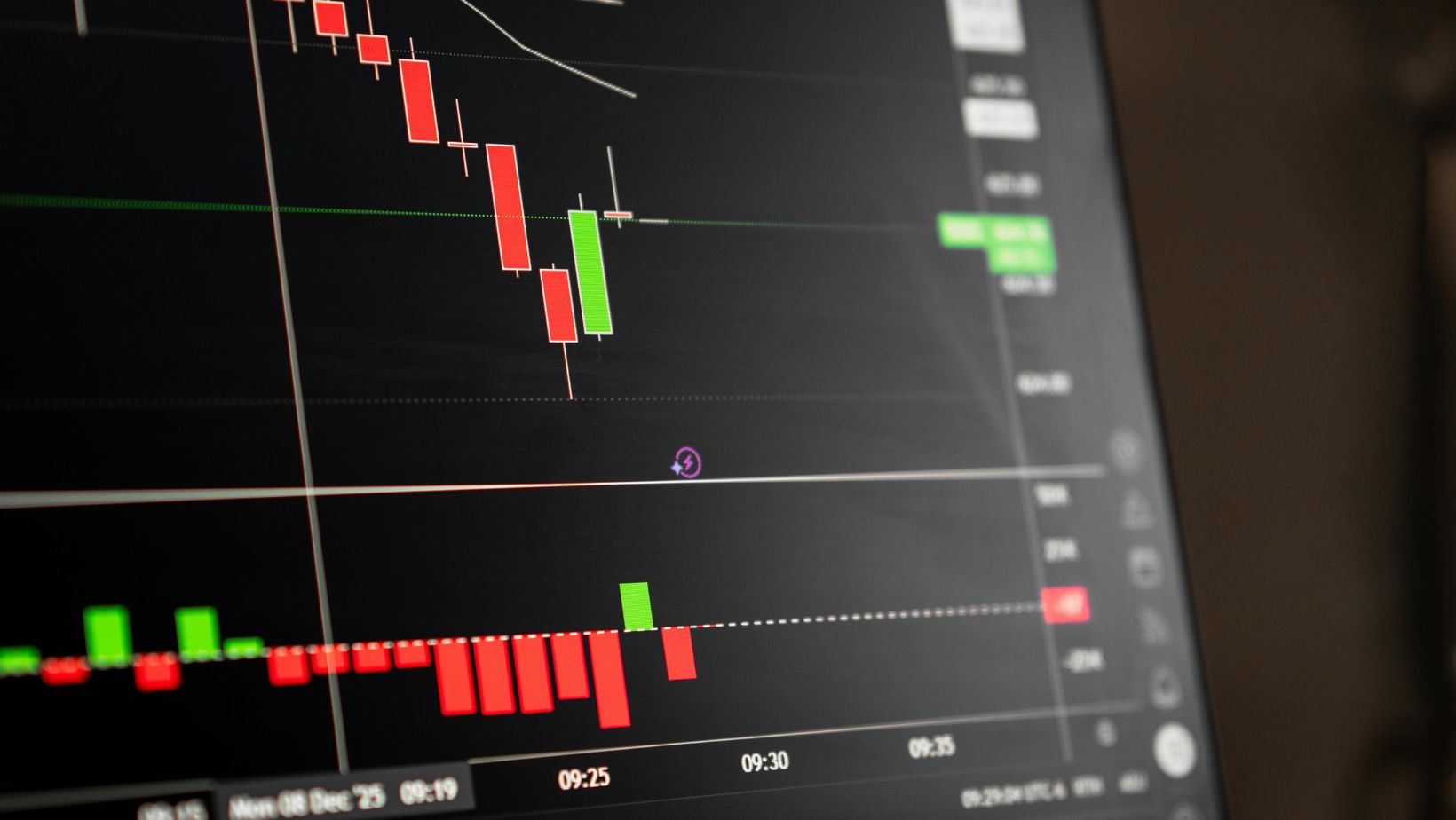
Volatility is one of the most important drivers of option pricing. It reflects how much and how quickly prices are expected to move. In sectors that are central to the Norwegian economy, such as energy and shipping, volatility can change rapidly due to global supply dynamics, geopolitical developments, or shifts in demand. When volatility rises, option premiums tend to increase because the probability of significant price movement grows.
While mathematical models such as Black-Scholes are commonly used to estimate option values, real-world pricing is ultimately shaped by market expectations. Understanding the assumptions behind these models helps investors interpret prices rather than rely on them blindly. For those looking to deepen their understanding of how options function across different market conditions, it can be useful to explore educational resources and find out more through structured learning platforms that explain both theory and application.
Understanding Risk Beyond the Basics
Risk in options trading is not limited to the possibility of losing money. It also includes the risk of misunderstanding how different factors interact. One common misconception is that buying options is always safer than trading stocks because losses are limited to the premium paid. While this is true in a narrow sense, repeated small losses can accumulate if trades are poorly timed or based on weak assumptions.
Leverage is another important consideration. Options allow investors to control a larger position with a smaller amount of capital. This can amplify gains, but it can also magnify the impact of incorrect market views. Even small price movements in the underlying asset can lead to significant changes in an option’s value.
Liquidity risk is particularly relevant in smaller or less actively traded markets. Not all options contracts attract the same level of trading interest. In Norwegian markets, certain stocks or strike prices may have wider bid-ask spreads, making it more expensive to enter or exit a position. This cost can materially affect outcomes, especially for short-term strategies.
Norwegian Market Characteristics and Their Impact
The Norwegian market has distinct features that influence option pricing and risk. Many listed companies are closely tied to global commodity cycles, particularly oil and gas. This connection means that international events often have an outsized impact on local price movements and volatility.
Currency dynamics also matter. Fluctuations in the Norwegian krone can affect export-oriented companies and investor sentiment, which in turn influences option prices. Investors who recognise these broader forces are better positioned to interpret market signals and avoid overreacting to short-term noise.
Options can be used to navigate this environment more precisely. They allow investors to express views not only on direction, but also on uncertainty itself. For example, when volatility is expected to rise due to upcoming events, options strategies can be structured around that expectation rather than a specific price target.
Conclusion
Understanding option pricing and risk is not about mastering complex formulas. It is about developing a clear mental framework for how different forces interact in real markets. For Norwegian investors, this means recognising how global influences, sector-specific volatility, and local market conditions shape option values.
Options are neither inherently risky nor inherently safe. Their impact depends on how they are used and how well the investor understands the underlying mechanics. By approaching options with patience, education, and a focus on risk management, investors can make more deliberate and confident decisions.